
Transforming your living space into a reflection of your personality and style requires thoughtful consideration and a touch of creativity. Whether you are seeking to refresh a single room or embark on a complete home makeover, embracing contemporary design principles whilst maintaining comfort can turn any house into a welcoming sanctuary. The art of interior design is no longer reserved for professionals alone, as homeowners today have access to a wealth of inspiration and practical advice to bring their visions to life. In recent years, the emphasis has shifted towards creating harmonious environments that balance aesthetics with functionality, making it easier than ever to curate spaces that truly resonate with your lifestyle.
Brilliant ways to refresh your living room aesthetic
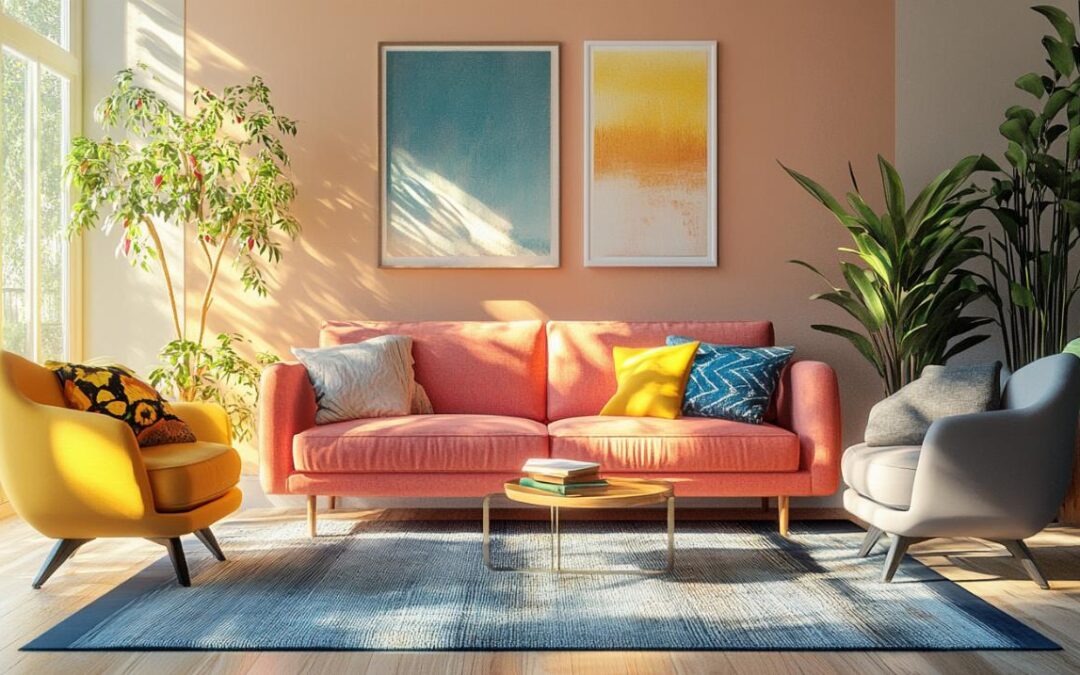
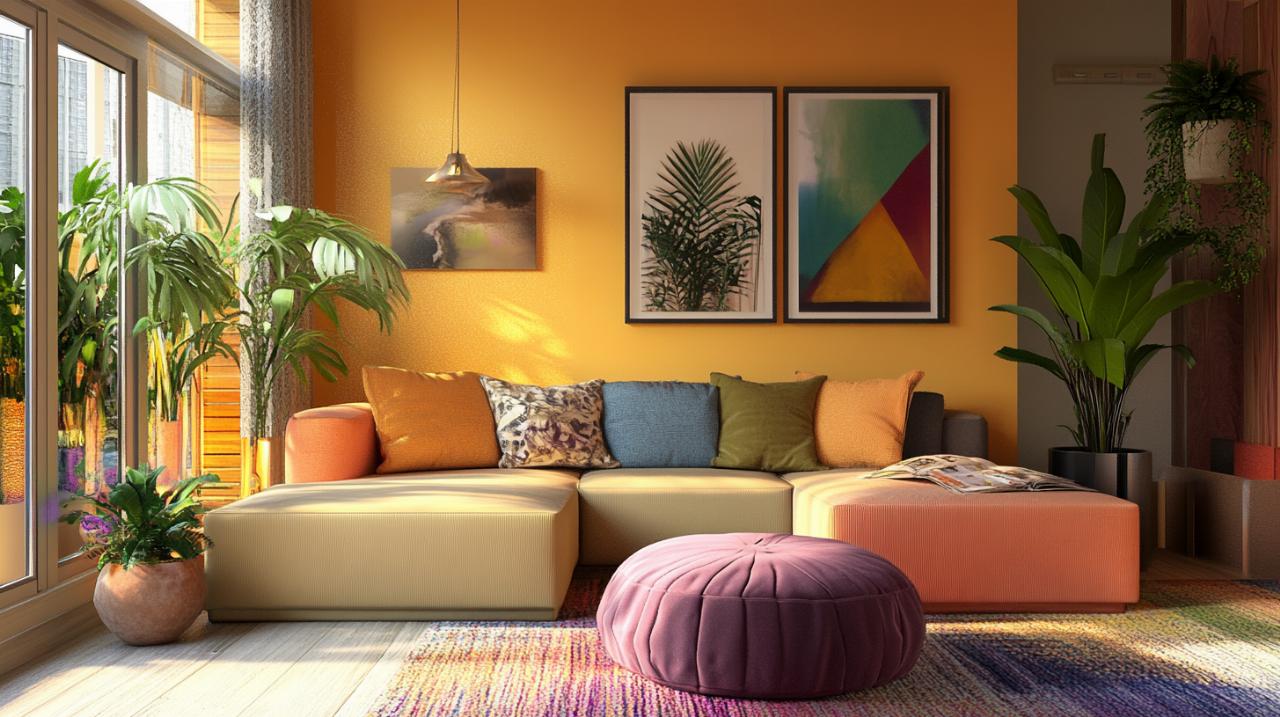
The living room remains the heart of every home, a space where families gather, friends socialise, and relaxation takes centre stage. Reimagining this central hub can dramatically alter the overall atmosphere of your dwelling. One of the most striking approaches involves introducing statement pieces that serve as focal points, drawing the eye and anchoring the room's design narrative. Modular sofas have gained considerable traction in 2026 trends, offering versatility and adaptability to suit varying spatial configurations and social needs. These contemporary seating solutions allow you to reconfigure your layout effortlessly, accommodating everything from intimate gatherings to larger social occasions. Pairing such flexible furniture with carefully chosen accent pieces creates visual interest without overwhelming the senses. Consider incorporating unique side tables, sculptural lighting fixtures, or even a thoughtfully placed vase that echoes the room's colour palette. The beauty of this approach lies in its ability to reflect personal taste whilst remaining responsive to evolving design movements, such as the emerging poetcore aesthetic that celebrates romantic and lyrical elements in domestic spaces.
Incorporating statement pieces and accent furniture
Selecting the right furniture requires more than simply filling empty spaces; it demands an understanding of proportion, scale, and the interplay between form and function. Click-clack sofa beds have become increasingly popular for those seeking dual-purpose solutions, seamlessly transitioning from comfortable seating to guest accommodation. Ottoman beds similarly offer ingenious storage capabilities whilst maintaining a sleek profile, ideal for homes where space comes at a premium. When curating accent furniture, think beyond conventional choices and explore shelving units that double as display areas for cherished objects or books, adding personality and depth to your living environment. The key is to strike a balance between practicality and visual appeal, ensuring that each piece contributes to the room's overall narrative without creating clutter. Statement pieces need not always be large; sometimes a single, well-chosen floral rug can anchor an entire seating arrangement, infusing warmth and texture into an otherwise neutral setting. The trend towards broken floor plans in 2026 encourages more open, fluid transitions between living spaces, making it essential to select furniture that complements this sense of openness whilst defining distinct zones within a larger area.
Playing with Colour Schemes and Textile Layering
Colour wields immense power in shaping the mood and character of any room, and the living area offers a canvas ripe for experimentation. Pastel colours continue to dominate interior design conversations, bringing softness and tranquillity to contemporary homes. These gentle hues can be introduced through wall paint, upholstery, or decorative accessories, creating a cohesive backdrop that feels both modern and timeless. Spring paint colours, in particular, offer refreshing alternatives to stark whites or bold darks, evoking the rejuvenating essence of the season throughout the year. Textile layering adds another dimension to your living room, with throws, cushions, and curtains providing opportunities to introduce pattern, texture, and additional colour accents. Consider mixing materials such as linen, velvet, and cotton to create tactile richness that invites touch and enhances comfort. Pleated blinds offer a sophisticated window treatment option, combining functionality with elegant visual appeal, whilst allowing you to control natural light levels throughout the day. The interplay between soft furnishings and structural elements creates a dynamic environment that feels curated yet welcoming, embodying beautiful home décor ideas that transform everyday spaces into havens of style and comfort. Do not shy away from incorporating bold prints or unexpected colour combinations, as these can inject personality and prevent the space from feeling overly safe or predictable.
Transforming Your Bedroom into a Stylish Sanctuary
The bedroom serves as your personal retreat, a space dedicated to rest and rejuvenation, making it essential to cultivate an atmosphere that promotes relaxation and reflects your aesthetic sensibilities. Recent interior design movements have placed renewed emphasis on creating sanctuaries that feel removed from the hustle of daily life, with thoughtful attention to every detail from flooring to ceiling. Canopy beds have experienced a remarkable resurgence as a defining 2026 trend, bringing a sense of romance and grandeur to sleeping quarters. These elegant structures frame the bed beautifully, creating an intimate cocoon that feels both luxurious and comforting. Whether you opt for flowing fabrics or more minimalist frame designs, the canopy bed serves as an instant focal point that elevates the entire room. Beyond this striking centrepiece, the bedroom transformation process involves careful consideration of soft furnishings, lighting, and decorative elements that work in harmony to create a cohesive and inviting environment.
Choosing the Perfect Bedding and Soft Furnishings
The foundation of any beautiful bedroom lies in the quality and aesthetic appeal of its bedding and textiles. Selecting the right bedding involves balancing comfort with visual impact, ensuring that your sleep space feels as good as it looks. Natural fibres such as cotton and linen remain perennial favourites, offering breathability and a luxurious hand feel that improves with each wash. Layering different textures and weights allows you to adapt your bedding to seasonal changes whilst creating visual interest through subtle contrast. Consider starting with crisp, high-quality sheets as your base layer, then adding blankets, quilts, and throws in complementary tones to build depth and warmth. The colour palette you choose sets the tone for the entire room, with pastel colours continuing to offer serene and soothing options that promote restful sleep. However, do not feel constrained by convention; deeper hues or even bold patterns can create dramatic, cocoon-like atmospheres that feel equally restful. Cushions and decorative pillows provide opportunities for playful experimentation, allowing you to introduce accent colours or patterns that tie together various elements within the space. The arrangement of these soft furnishings should feel organic rather than overly styled, creating an inviting bed that beckons at the end of a long day.
Creating Ambience with Lighting and Wall Art
Lighting plays a transformative role in bedroom design, capable of shifting the mood from bright and energising to soft and restful with the simple adjustment of a dimmer switch. A layered lighting approach works best, combining overhead fixtures, bedside lamps, and perhaps accent lighting to highlight architectural features or artwork. Consider the practical aspects of bedroom lighting, ensuring that reading lights are positioned appropriately and that switches are conveniently accessible from the bed. Wall-mounted fixtures free up valuable bedside table space whilst providing targeted illumination, and pendant lights offer an elegant alternative to traditional table lamps. Beyond artificial lighting, maximising natural light during daytime hours contributes to a healthier and more pleasant environment. Window treatments should offer flexibility, allowing you to flood the room with morning sunshine or create complete darkness when needed. Wall art completes the bedroom transformation, offering a personal touch that reflects your interests and aesthetic preferences. Whether you favour large statement pieces or curated gallery walls, artwork introduces colour, texture, and visual focal points that prevent walls from feeling bare or uninspiring. The selection process should be guided by pieces that genuinely resonate with you rather than following trends blindly, as the bedroom remains your most personal space. Combining thoughtful lighting design with carefully chosen artwork creates an atmosphere that feels intentional and complete, embodying the essence of a stylish sanctuary where rest and rejuvenation naturally follow.