

In busy factories, construction sites, chemical plants and warehouses across the United Kingdom, the difference between safety and serious injury can often come down to something as seemingly simple as a sign on a wall. Warning signage is not merely a legal box to tick, it is a vital layer of communication that keeps workers informed, alert and protected. Understanding how to use it effectively is essential for any responsible employer.
At a glance
- Effective warning signage serves as a critical, persistent tool for hazard communication that helps reduce the high human and economic costs of workplace accidents.
- Safety signs are most effective when they are clear, consistent, and utilize symbols that transcend language barriers to ensure understanding under various conditions.
- Under UK regulations, employers are legally required to display appropriate safety signage wherever significant residual risks persist after other control measures have been implemented.
- Standardized color-coding (such as red for prohibition, yellow for warnings, blue for mandatory actions, and green for safety) must be strictly followed to ensure universal recognition.
- Proper sign placement is essential to avoid clutter or obstruction, as strategically located signs prevent complacency and ensure workers receive information at the point of need.
- Employers must treat signage as a dynamic system by performing regular maintenance, replacing damaged or faded signs, and updating warnings whenever workplace layouts or risks change.
- Engaging employees in the safety review process provides valuable insights, as staff members are often best positioned to identify gaps or confusion regarding current workplace signage.
The Role of Warning Signage in Preventing Workplace Accidents
Workplace accidents carry an enormous human and economic cost. Industry data indicates that in 2021/22 alone, 23 workers died in work-related accidents in the UK, whilst 565,000 sustained non-fatal injuries. That same period saw 36.8 million working days lost due to work-related ill health and non-fatal injuries, a staggering figure that underscores just how critical proactive hazard management truly is. Effective workplace safety signs form one of the most accessible and impactful tools available to employers seeking to reduce that toll.
How clear visual communication reduces risk in high-hazard zones
At its core, safety communication through signage works by delivering critical information at the precise moment and location where it is needed most. Rather than relying solely on training or verbal instruction, well-placed hazard warning signs offer a persistent, visible reminder of the dangers present in a given area. They serve workers who may be new to a site, visiting contractors, or simply distracted during a long shift. A clearly displayed sign warning of electrical danger or instructing workers to wear eye protection can be the last line of defence before an incident occurs.
The effectiveness of this communication depends heavily on clarity and consistency. Injury prevention is best served by signs that are unambiguous, well-positioned and immediately understood, even under stress or in poor lighting conditions. Symbols, in particular, transcend language barriers, making them invaluable in diverse workforces.

Key standards and requirements that shape effective warning signage
The legislative backbone for mandatory safety signage in the UK is the Health and Safety (Safety Signs and Signals) Regulations 1996. These regulations set out employer legal responsibilities regarding the display of safety signs wherever a significant risk remains after other control measures have been applied. This means that signage is not the first line of defence, but it must be deployed wherever residual hazards persist. Employers are obligated to ensure that signs are appropriate to the risk, properly maintained and that workers receive sufficient instruction on their meaning.
The regulations also confirm that safety signs extend beyond printed boards. Industrial safety signals can encompass illuminated signs, hand signals and acoustic warnings, giving employers flexibility in how they communicate danger across different environments.
Best practices for implementing warning signage across dangerous work environments
Choosing the Right Signs for the Right Hazards: Colour, Symbols and Placement
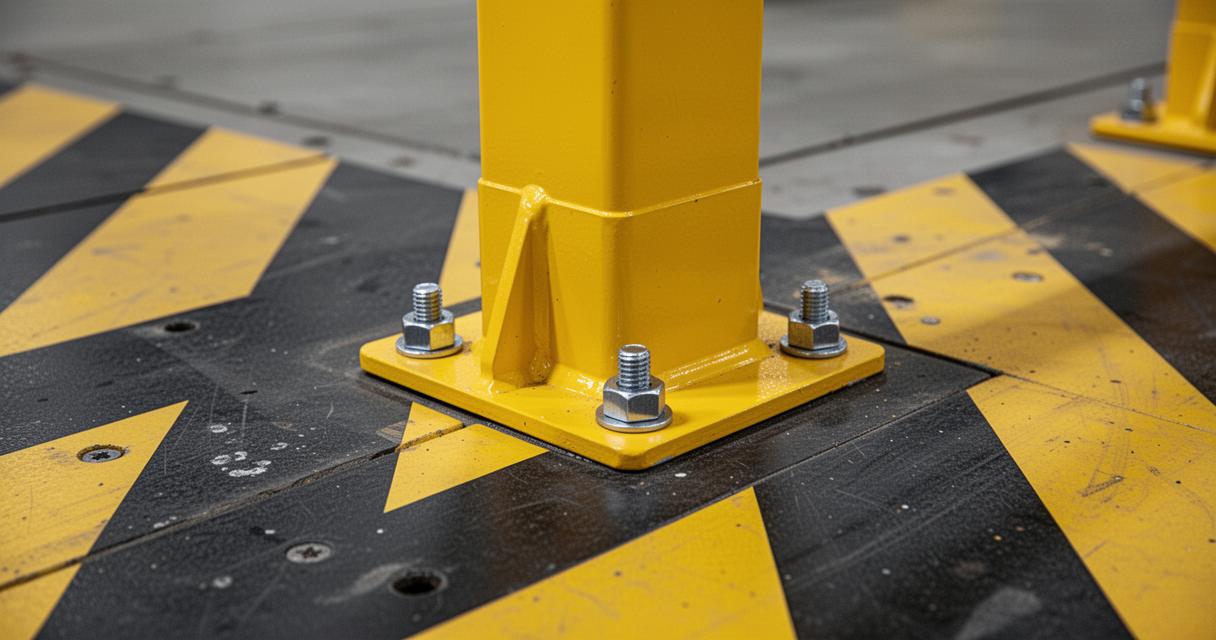
One of the most important aspects of workplace safety compliance is understanding the established colour-coding system that governs safety sign colours. This system is not arbitrary, each colour carries a universally recognised meaning within UK and European standards. Red is reserved for prohibition signs, such as those indicating no access for unauthorised persons. Yellow or amber denotes warning, alerting workers to potential dangers such as electrical hazards or slippery surfaces. Blue signals mandatory actions, for instance the requirement to wear specific protective equipment before entering a zone. Green is associated with emergency escape routes and first aid signage, guiding workers to safety when it matters most.
Proper placement is equally crucial. Hazard awareness is significantly diminished when signs are obscured by equipment, positioned at the wrong height, or clustered together so densely that the eye struggles to focus on any single message. A thorough workplace risk assessment should inform both the type and location of every sign deployed, ensuring that each one corresponds directly to a genuine hazard in that specific area. Placing unnecessary signs dilutes the impact of those that truly matter and can inadvertently breed complacency among the workforce.

Maintaining and Reviewing Warning Signage to Ensure Lasting Workplace Protection
Installing signs is only the beginning of an employer’s responsibility. Occupational health and safety standards require that signage remains effective over time, which means regular inspection and maintenance are non-negotiable. Signs that are faded, damaged, obscured or outdated must be replaced promptly. A sign that cannot be clearly read offers no protection whatsoever and may even create a false sense of security.
Beyond physical condition, employers should review their signage whenever the workplace layout changes, new equipment is introduced, or a fresh risk assessment reveals previously unidentified hazards. Health and safety regulations are not static, and neither are workplaces. Engaging employees in the review process can also prove valuable, workers who operate daily within a given environment are often best placed to identify gaps in safety signboard standards or areas where existing signs are regularly ignored or misunderstood. By treating warning signage as a living system rather than a one-off installation, employers can maintain robust workplace hazard prevention and demonstrate a genuine commitment to the wellbeing of every person on site.